If you have been typing “Ganesh Chaturthi kab hai” into your search bar every few weeks since Diwali, you are not alone. Families across India — and just as many abroad, from New Jersey to Melbourne — start planning their Bappa’s homecoming months in advance.
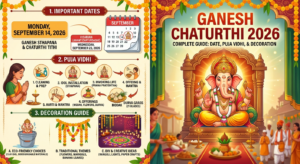
Ganesh Chaturthi, which marks the start of the ten-day Ganeshotsav is on Monday, September 14th. The 10-day festival culminates in Anant Chaturdashi on September 25th.
This isn’t just a date on a calendar. For millions of households, it’s the day the living room becomes a temple, the kitchen fills with the smell of steaming modaks, and even the busiest cousin flies back home. Whether this is your first year setting up a Ganpati at home or your fiftieth, this guide walks you through everything — the correct date, the puja samagri list, decoration ideas, and a simple step-by-step vidhi you can actually follow without a pandit hovering over your shoulder.
Why Do We Celebrate Ganesh Chaturthi?
It marks the birth of Lord Ganesha, son of Shiva and Parvati, and the deity Hindus turn to before starting anything new. Buy a house, launch a business, begin a wedding ceremony — Ganesha is invoked first, which is why he’s known as Vighnaharta, the remover of obstacles, and Buddhi Pradaayak, the giver of wisdom. The ten-day festival isn’t just a birthday celebration; it’s a reminder to pause and invite clarity and good fortune into whatever you’re about to take on. What makes it especially powerful as a community festival, rather than just a household one, goes back to Lokmanya Bal Gangadhar Tilak, who popularised public Ganesh mandals in the late 19th century to unite people across caste and class lines during the freedom struggle. That spirit still shows up today — in the pandals that open their doors to entire neighbourhoods, and in the quieter ritual of a family gathering each evening for aarti, treating the idol not as a symbol but as a guest who’s come to stay for ten days before making his way back home.
When Is Ganesh Chaturthi 2026? Understanding the Date
A question we hear constantly at mypujasetu is when is Ganesh Chaturthi actually decided each year. Unlike fixed-date holidays, this festival follows the Hindu lunisolar calendar. It always lands on Shukla Chaturthi — the fourth day of the waxing moon — in the month of Bhadrapada.
Here’s the quick reference for 2026:
- Ganesh Sthapana (Idol Installation): Monday, September 14, 2026
- Madhyahna Puja Muhurat: Roughly 11:00 AM to 1:30 PM (local timing may shift slightly by city, so check your local panchang closer to the date)
- Ganesh Visarjan (Immersion): Friday, September 25, 2026, on Anant Chaturdashi
Some regions immerse the idol after 1.5, 5, 7, or 9 days instead of the full ten. Maharashtra and Karnataka typically go the full stretch, while many North Indian households prefer the shorter Sawa din (1.5 day) tradition. Neither is more “correct” — it comes down to family custom.
Ganesh Chaturthi Puja Samagri List: What You Actually Need
One of the most searched questions we get is around the Ganesh Chaturthi pooja samagri list. The good news? You don’t need fifty exotic items. Most of what’s required is probably sitting in your kitchen or a five-minute walk to the local grocer.
Here’s a practical Ganesh Chaturthi pooja items checklist:
- Ganesh idol (clay or eco-friendly, ideally under 12–18 inches for home puja)
- Red cloth (asan) for the idol to sit on
- Turmeric, kumkum, and sandalwood paste
- Durva grass (21 blades, a personal favourite of Ganpati)
- Fresh flowers, preferably red hibiscus
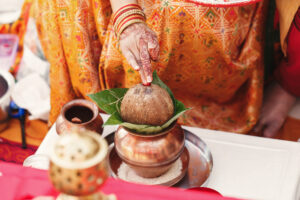
- Coconut, betel leaves, and betel nuts
- Panchamrit (milk, curd, honey, ghee, sugar)
- Incense sticks, camphor, and a diya with ghee or oil
- Modak or laddoo for the bhog
- A small bell (ghanti) and a plate for aarti
If you’re short on time, most Ganesh Chaturthi pooja samagri kits available online today bundle all of this into a single box — genuinely useful if you’re juggling work and festival prep in the same week.
How to Do Ganesh Chaturthi Puja at Home: A Simple Vidhi
Not everyone can arrange a pandit on short notice. Here’s how to approach Ganesh Chaturthi puja if you’re doing it yourself.
Step 1: Prepare the Space
Prepare a corner of your pooja room or decorate a table for placing the idol. Place the red cloth down first, then position the idol facing east or north, which is considered auspicious.
Step 2: Pran Pratishtha (Invoking the Idol)
This is the ritual of inviting Lord Ganesha’s presence into the idol. Light the diya, ring the bell gently, and chant “Om Gan Ganpataye Namah” while offering a few grains of rice and a flower at the idol’s feet.
Step 3: Shodashopachara — The 16 Offerings
Traditionally, this involves 16 steps: bathing the idol (if it’s a small murti), dressing it, offering sandalwood, flowers, incense, and food. At home, even a simplified version — flowers, durva, and modak — is perfectly acceptable. Devotion matters more than the checklist.
Step 4: Aarti and Bhog
Perform the Ganesh aarti in the morning and evening. Offer modak, and don’t forget — Ganpati loves a little variety, so laddoos or fruits work just as well if modak isn’t handy.
Think of the whole process less like a rigid ceremony and more like welcoming an honoured guest into your home. You wouldn’t overthink how to greet a beloved grandparent arriving after months — the same warmth applies here.
Ganesh Chaturthi Decoration Ideas for 2026
Ganesh Chaturthi decoration has evolved quite a bit over the last decade. It used to be dominated by thermocol and plastic, but now eco-conscious setups are the trend, especially among younger, urban households.
A few ideas worth trying this year:
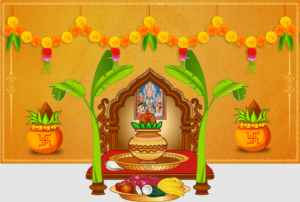
- Flower backdrops: Honestly, this is the easiest win. String up some marigold and hibiscus, and you’ve got a backdrop that looks festive without needing an electrician or a Pinterest board.
- Eco-clay idols: If you can, go for a Shadu clay or papier-mâché Ganpati instead of plaster-of-Paris. It dissolves properly during visarjan instead of sitting at the bottom of a lake for months — small switch, real difference.
- Theme decor: Bamboo, jute, terracotta — these earthy textures have quietly taken over from the shiny thermocol pandals of a few years ago, and honestly, they look far more elegant.
- LED fairy lights with diyas: A balance of tradition and convenience — safe, warm, and still authentic.
- Recycled paper mandaps: Newspaper and cardboard mandaps, hand-painted, are becoming a favourite DIY project for kids to join in on.
Decoration isn’t about grandeur. Some of the most talked-about home setups we’ve seen are modest — a single flower garland, a clay idol, and a diya — but done with real care.
Wishing Family and Friends: Marathi Messages
For Maharashtrian households and friends, sending a heartfelt happy Ganesh Chaturthi message is part of the tradition. A simple, warm note — wishing prosperity, wisdom, and the removal of obstacles in the year ahead — often means more than an elaborate one. If you’re looking for wishes in Marathi to share on family groups, keep them personal: mention a shared memory or a wish specific to that person’s year ahead, rather than a generic forward.
In Summary
Ganeshotsav starting from September 14th provides you a good runway to plan: booking a pandit, ordering an eco-friendly idol, or making sure the whole family can be present. The date matters, the rituals matter, but what actually makes the festival memorable is the intention behind it.
If your to-do list already has ‘find a pandit’ and ‘buy samagri’ sitting next to work deadlines, we’d like to take those two off your hands. mypujasetu connects you with verified pandits and gets your puja essentials to your door, so this Ganeshotsav feels like a celebration, not a checklist.