There’s a special kind of relief that follows a Satyanarayan puja at home. The house fills with the soothing scents of ghee and camphor. Everyone enjoys their prasad, and for a few hours, the usual chaos of family life eases. This ritual isn’t just for temples or big occasions; it’s something Hindu families around the world turn to whenever they want to pause, show gratitude, and seek more truth and steadiness in their lives. If you’ve been hesitant to learn about the Satyanarayan puja katha and vidhi because it seems complicated, it’s not. Let’s go through it step by step.
Satyanarayan Puja Benefits: Why Families Keep Coming Back to It
Ask any elder why they perform this puja every few months, and you’ll rarely get a complicated answer. You’ll often hear responses like “it brings peace to the house” or “we do it after something good happens, or when we need things to go well.” Both statements hold true.
The benefits people commonly discuss about the Satyanarayan puja include:
- Gratitude and closure — many families do it after a wedding, a new job, recovery from illness, or moving into a new home as a way to express thanks.
- Family bonding — this puja allows everyone to sit together for the entire katha, not just for a brief aarti. Cousins who haven’t spoken in weeks find themselves side by side on the floor, sharing the prasad plate.
- Mental clarity — the story centers on honesty and keeping one’s word, and listening to it often leads to quiet reflection.
- Accessibility — you don’t need a temple, a big budget, or a priest. It’s genuinely one of the most home-friendly rituals in Hindu tradition.
Why Satyanarayan Puja Is Done
Satyanarayan combines “Satya,” which means truth, with “Narayan,” another name for Lord Vishnu.
Essentially, this puja is a reminder to remain true, and a request for Vishnu’s blessings in return. The katha tells the story of Lord Vishnu appearing to a poor Brahmin and promising that anyone who performs this puja sincerely and listens to the story will find relief from hardship. This is followed by several short stories — a woodcutter, a merchant, a king — each illustrating the outcomes of honoring or neglecting that promise. The message is clear: keep your word, stay humble, and good things will come.
That’s why many families perform it during significant life events. New homes, new jobs, a child’s first birthday, recovery after an illness — it’s less about the event itself and more about starting that new chapter with gratitude rather than ego.
Pandit for Satyanarayan Puja Near Me: What to Actually Look For
A quick search for “pandit for satyanarayan puja near me” will reveal many names, and honestly, most of them will do well. But a few things are worth checking before you book one:
- Ask if they can perform it according to your regional tradition: A Bengali Satyanarayan puja, for example, has a different structure and set of offerings compared to the North Indian or Maharashtrian versions. The mantras, katha recitation style, and even the prasad can vary.
- Confirm the duration beforehand: A full ceremony with katha, havan, and aarti usually lasts 90 minutes to two hours. If a pandit says it will take twenty minutes, that’s a shortcut, not a proper puja.
- Inquire about what you need to arrange: Some pandits come with their own samagri kit; others expect the family to prepare everything.
- For families living abroad: If you’re outside India, look for pandits who can perform the Satyanarayan puja online via video call, guiding you through it in real time. This has become more common recently and works surprisingly well for families without a local priest.
How to Do Satyanarayan Puja at Home
Doing this puja yourself isn’t as daunting as it might seem. Here’s a simple flow that most families follow:
- Choose your day: Purnima (full moon) is the most traditional option, but Ekadashi is also auspicious. Contrary to some beliefs, Ekadashi is not off-limits for this puja. Thursdays are considered favorable since the day is associated with Vishnu.
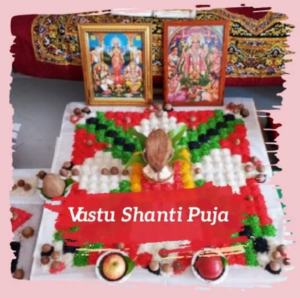
- Clean and prepare the puja space: A small raised platform or table, covered with a clean cloth, will work. Place the Satyanarayan puja photo or idol at the center.
- Do the sankalp: This is a brief vow that states your intention for performing the puja. It is said aloud, typically while holding a handful of rice and water in your palm.
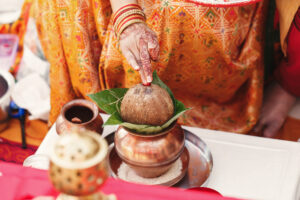
- Kalash sthapana and Ganpati puja: Start by worshipping Ganesha first, as is customary in most Hindu rituals, followed by setting up the kalash.
- Listen to or read the katha: This is the core of the ceremony. The five chapters of the Satyanarayan katha are read aloud, often by family members or the pandit, while everyone listens together.
- Perform the aarti: After the katha concludes, conduct the aarti and then distribute prasad to everyone present.
- Consider a light fast, if you want to: Fasting isn’t mandatory for this puja — many people choose to eat simple satvik food instead, especially children, elders, or others with health considerations.
Satyanarayan Puja Samagri: The Complete List
You really don’t need to visit multiple shops for this. Most of what you need for the Satyanarayan puja samagri list can be found at a single pooja store, or you can order a ready-made samagri list in Marathi or any regional language online:
- A photo or small idol of Lord Satyanarayan (Vishnu)
- Kalash, coconut, and mango leaves
- Panchamrit — milk, curd, honey, ghee, and sugar
- Turmeric, kumkum, rice (akshata), and sandalwood paste
- Betel leaves and betel nuts
- Fresh flowers and tulsi leaves
- Banana leaves, if following the traditional South Indian or Bengali format
- Sooji (semolina), ghee, sugar or jaggery, and milk for the prasad (sheera/halwa)
- Incense sticks, camphor, and a diya
- A katha book or printed Satyanarayan puja sahitya for reading
If you’re hosting a larger gathering, many families also prepare a proper food menu beyond just the prasad, typically a simple vegetarian spread with puri, sabzi, and kheer, served after the aarti.
Satyanarayan Puja Decoration and the Little Touches That Matter
You don’t need fancy decorations to create the right atmosphere for the Satyanarayan puja. A clean, well-lit corner with fresh flowers and a neat rangoli at the entrance makes a big difference. A simple rangoli design near the doorway, like a basic lotus or kalash made from chalk powder, helps set the tone. If you’re inviting extended family, a brief Satyanarayan puja invitation in Marathi or your local language, sent via WhatsApp, feels more heartfelt than a standard printed card. Some families even maintain the tradition of ukhane during the ceremony i.e. a lighthearted, rhyming introduction where family members share a couplet before the puja begins, adding warmth and a fun touch to an otherwise serious occasion.
Conclusion
The Satyanarayan puja katha isn’t complicated once you understand what it’s really asking of you — a little honesty, a little gratitude, and a few hours set aside for your family to sit together. Whether you’re arranging one for a new home, a milestone, or simply because it’s been a while, getting the samagri, the pandit, and the small details right makes all the difference. If you’d rather not juggle sourcing a trustworthy pandit and hunting down every item on the samagri list yourself, mypujasetu can take that off your hands with verified pandits who know your regional tradition.
Book your Satyanarayan puja with mypujasetu today and let the preparation be one less thing to worry about.