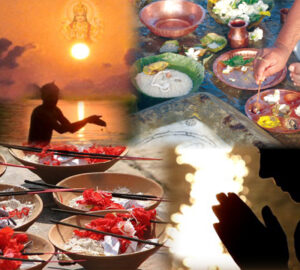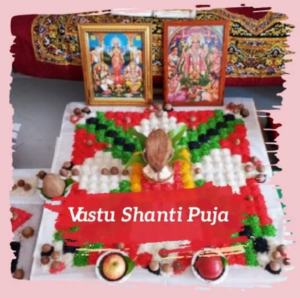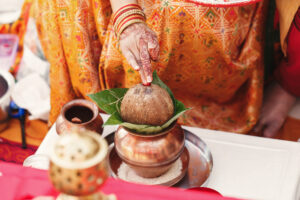
There’s a particular kind of quiet that settles over Hindu households once Pitru Paksha begins. Conversations slow down. Someone in the family mentions a grandfather’s favourite sweet, or a great-aunt’s name comes up after years of not being spoken. Shraadh is the ritual built around exactly that moment — the act of remembering, feeding, and honouring the ancestors who came before us. If you’ve grown up watching your parents perform this every year but never quite understood the mechanics of it, or if you’re the one now expected to carry it forward, this guide walks through what shraadh actually involves, when it falls in 2026, and what you’ll need to perform it properly.
What is Shraadh — Definition and Context
At its simplest, shraadh means an offering made with faith. The word itself comes from “shraddha,” meaning faith or reverence, and that’s really the spirit of the ritual — not fear, not obligation, but a sincere gesture of gratitude toward those who are no longer here.
The shraadh meaning goes a layer deeper in Hindu belief. It’s understood as a way of repaying Pitru Rin — one of the three debts a person is born with, alongside debts to the gods and to sages. By performing shraadh, a descendant is believed to nourish the souls of their ancestors in Pitru Loka, the realm where departed souls reside, and in turn receive their blessings — often referred to as Pitru Ashirwad.
This isn’t a one-off ritual tied to a single death anniversary either. It’s observed annually during a specific lunar fortnight called Pitru Paksha, and it’s traditionally performed by the male descendants of the family, though customs around this have loosened somewhat in recent years, especially among families settled abroad where logistics don’t always allow for rigid roles.
Shraadh Dates and Key Landmark Dates
This is usually the first thing families search for, and understandably so — get the timing wrong, and the ritual loses its significance. Shraadh dates follow the lunar calendar, so they shift every year rather than falling on a fixed Gregorian date.
For 2026, Pitru Paksha runs from Saturday, September 26th to Saturday, October 10th, spanning sixteen days in total. The period begins right after Anant Chaturdashi and concludes on Sarva Pitru Amavasya, often called Mahalaya Amavasya which is the most significant day of the entire fortnight.
A few landmark points worth knowing:
- Purnima Shraddha marks the opening of the fortnight, observed on the full moon day.
- Shraadh should ideally be performed on the tithi matching the day your ancestor passed away — so if a grandparent passed on the seventh lunar day, that’s the day their shraadh is observed each year, not a fixed calendar date.
- Sarva Pitru Amavasya (October 10, 2026) is the catch-all day. If the exact tithi of an ancestor’s passing isn’t known, or if a family missed performing shraadh on the correct day, this final day covers it for all ancestors, known or unknown.
- Aparahna Kaal, the early afternoon window, is generally considered the most suitable time of day for the ritual, as opposed to worship of deities, which is typically done in the morning.
Because tithi timings shift by a few hours depending on the year and your city, it’s worth confirming the exact date and muhurat against a current panchang, or simply asking your pandit to calculate it for your family’s specific ancestor dates.
Core Ritual Actions
The structure of shraadh sounds elaborate on paper, but most families find it becomes fairly intuitive once they’ve sat through it a couple of times. Here’s the typical sequence:
- Sankalp — the ritual begins with a vow, stating the intention to perform shraadh for a specific ancestor or for all ancestors collectively.
- Tarpan — water mixed with black sesame seeds (til) and kusha grass is offered.
- Pind Daan — rice balls, or pindas are offered to represent nourishment for the ancestor’s soul.
- Brahmin Bhojan — a meal is prepared and offered first to a Brahmin or priest. Symbolically feeding the ancestors through this act, before the family eats.
- Daan — donations of food, clothing, or money to those in need, done in the ancestor’s name, closing out the day’s ritual.
A quieter, daily version also exists through the fortnight — many families simply offer jal (water) and til each morning after bathing, softly reciting the names of their ancestors. It’s the simplest form of remembrance, and arguably the most consistent one, since it doesn’t require any elaborate setup.
Essential Materials (Samagri)
You don’t need to source anything exotic for shraadh — most items are things a local pooja store stocks year-round, especially in the weeks leading up to Pitru Paksha. Here’s what’s typically required:
- Black sesame seeds (til) and kusha grass, for tarpan
- Rice, milk, and ghee, for preparing pindas
- Barley (jau) and sacred water, ideally from the Ganga if accessible
- White flowers, particularly considered appropriate for this ritual, as opposed to the brighter colours used in other pujas
- Cooked rice, dal, and vegetables prepared without garlic or onion, for the offering meal
- A copper or brass vessel for pouring water during tarpan
- Kusha grass rings, worn on the finger by the person performing the ritual
- Incense, a diya, and camphor for the closing aarti
If you’re arranging a full pind daan ceremony rather than the simplified home version, a pandit will usually guide you on any additional items specific to your family’s regional tradition, since North Indian, Bengali, and South Indian practices differ slightly in what’s offered.
Closing Paragraph
Shraadh isn’t really about ritual precision — it’s about making sure the people who shaped your family aren’t forgotten in the rush of everyday life. Getting the dates right, understanding what each step means, and having the right samagri on hand makes the whole process feel less like a checklist and more like what it’s meant to be: a quiet, sincere thank you. If coordinating a pandit, arranging samagri, or figuring out the correct tithi for your family’s ancestors feels like more than you want to manage alone this Pitru Paksha, mypujasetu can help you book a verified pandit and get everything you need sorted well before the date arrives.
Connect with mypujasetu today and leave the planning to us.